
The Discipline of Light: A Case for Manual Photography in the Age of Automation
Somewhere between sunrise and the soft click of a shutter, a story is always waiting to be told.
There was a time—not so long ago—when my phone rang like a church bell on Sunday morning. Assignments lined up, film canisters rattled in my bag, and light—sweet, golden, fleeting light—was something I chased with the devotion of a foxhound on a fresh trail. I’ve been doing that since 1981, and I’m still in love with the art. Not casually. Not conveniently, but with depth, persistence, and the kind of affection typically reserved for enduring works of craftsmanship and timeless traditions.
Photography, to me, has always been a three-act play: the planning, the process, and the execution. Each one matters. Each one carries weight. Each one separates the craftsman from the casual passerby.
Now, I look around and see a world where everyone is shooting everything—sunsets, sandwiches, shoe laces, and sometimes, by accident, something meaningful. But after the quick glance and the obligatory swipe, those images slip quietly into a digital abyss inside a phone… never to be seen again. Lost like yesterday’s weather. Gone without ceremony.
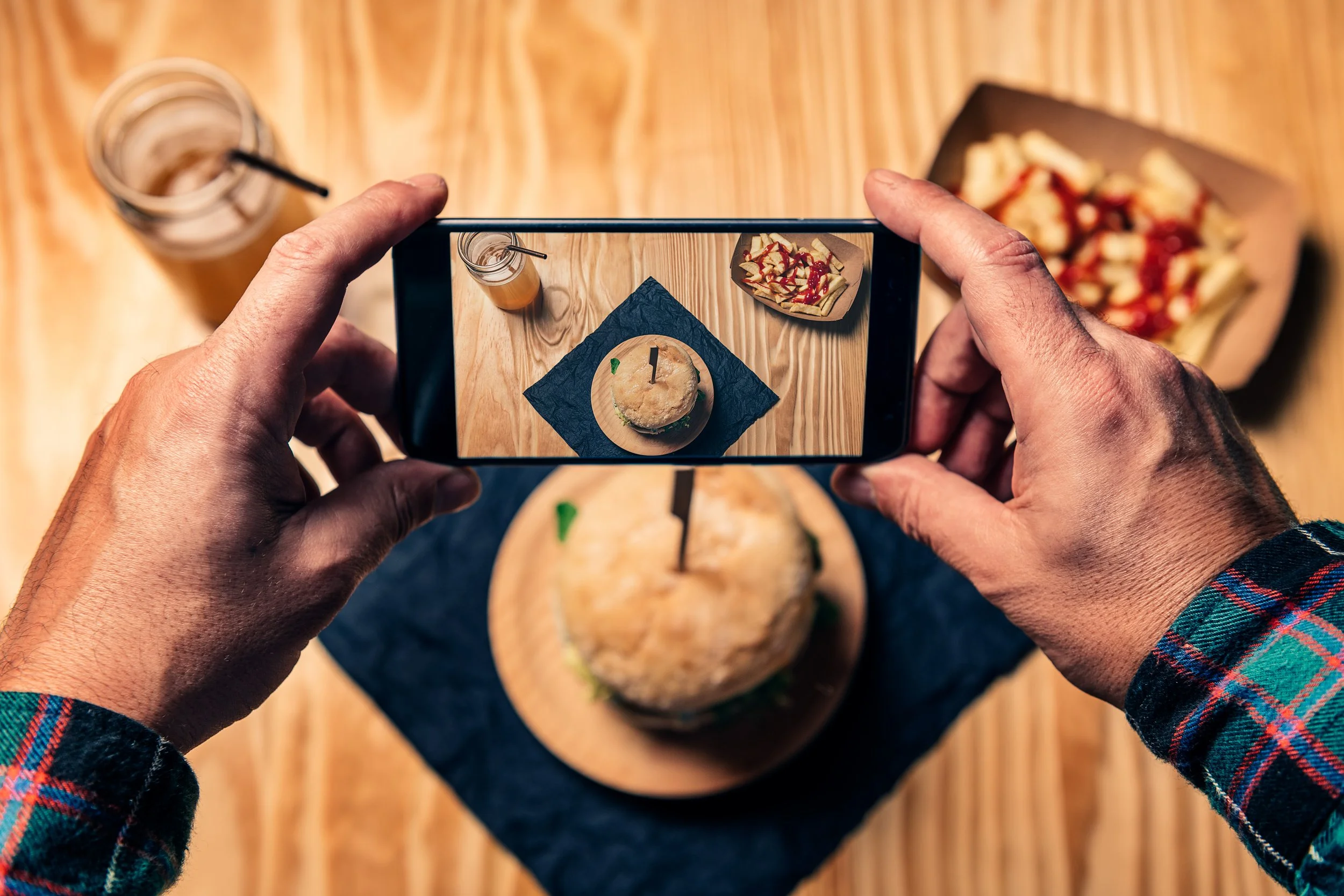
Now don’t misunderstand me—I am genuinely amazed by today’s technology. Modern phones produce remarkable images. Mirrorless cameras are engineering marvels. And my Canon R5? Well, that beauty and I have danced together on more assignments than I can count. I love it dearly. It’s a fine instrument in capable hands.
But here’s where the story takes a turn—like a Disney tale when the forest gets quiet and the wind shifts.
Because when everyone can shoot, quality is no longer assumed. Metering, exposure discipline, understanding light—those noble fundamentals—are often tossed aside like yesterday’s map in favor of “fix it later.” I recently delivered a set of carefully exposed real estate photographs to a client. Thoughtfully balanced. Properly calibrated. True to life. They viewed them on an uncalibrated monitor and brightened every single frame until the highlights surrendered and the shadows fled. The images were blown out beyond industry standards… but they looked “good” on their screen.
So I did what any craftsman would do. I went home, opened my calibrated monitor, and checked my work. And there they were—faithful, balanced, and correct. The craft had held. The discipline had won.
Technology empowers people to take photographs. But it does not automatically make them photographers. That step—becoming a photographer—requires intention, study, humility, and yes… a little bit of stubbornness.
And now we stand at another crossroads, where artificial intelligence can create entire worlds from a whisper. Headshots, landscapes, fantasy portraits—pirates, cowboys, dreamscapes—often executed with dazzling polish. It’s impressive. It’s efficient. And it’s also a gentle test of our resolve.
Because the true artist doesn’t retreat when the tools get smarter. The true artist leans in. Learns more. Studies harder. Practices longer.
Practice, after all, is the quiet hero of every masterpiece.
So I ask the new generation of photographers: Will you lay down creativity and submit to convenience? Or will you charge the hill—camera in manual mode, mind sharp, eye trained—determined to master light the way the great storytellers of the lens once did?
Manual photography is not nostalgia. It is literacy. It is understanding aperture like a musician understands tempo, shutter speed like a poet understands pacing, and ISO like a painter understands pigment. When you shoot manually, you are not merely capturing an image—you are composing a visual sentence with intention and authority.
Those who choose this path may one day find themselves in the company of the image world’s great storytellers—not by imitation, but by dedication. Not by shortcuts, but by craft.
So here is my challenge, offered with a smile and a raised eyebrow:
Never stop learning. Never stop experimenting. Study light. Study posing. Study composition. Master your tools. Refine your editing—not as a crutch, but as a finishing brushstroke.
And yes… try doing it without leaning on artificial intelligence.
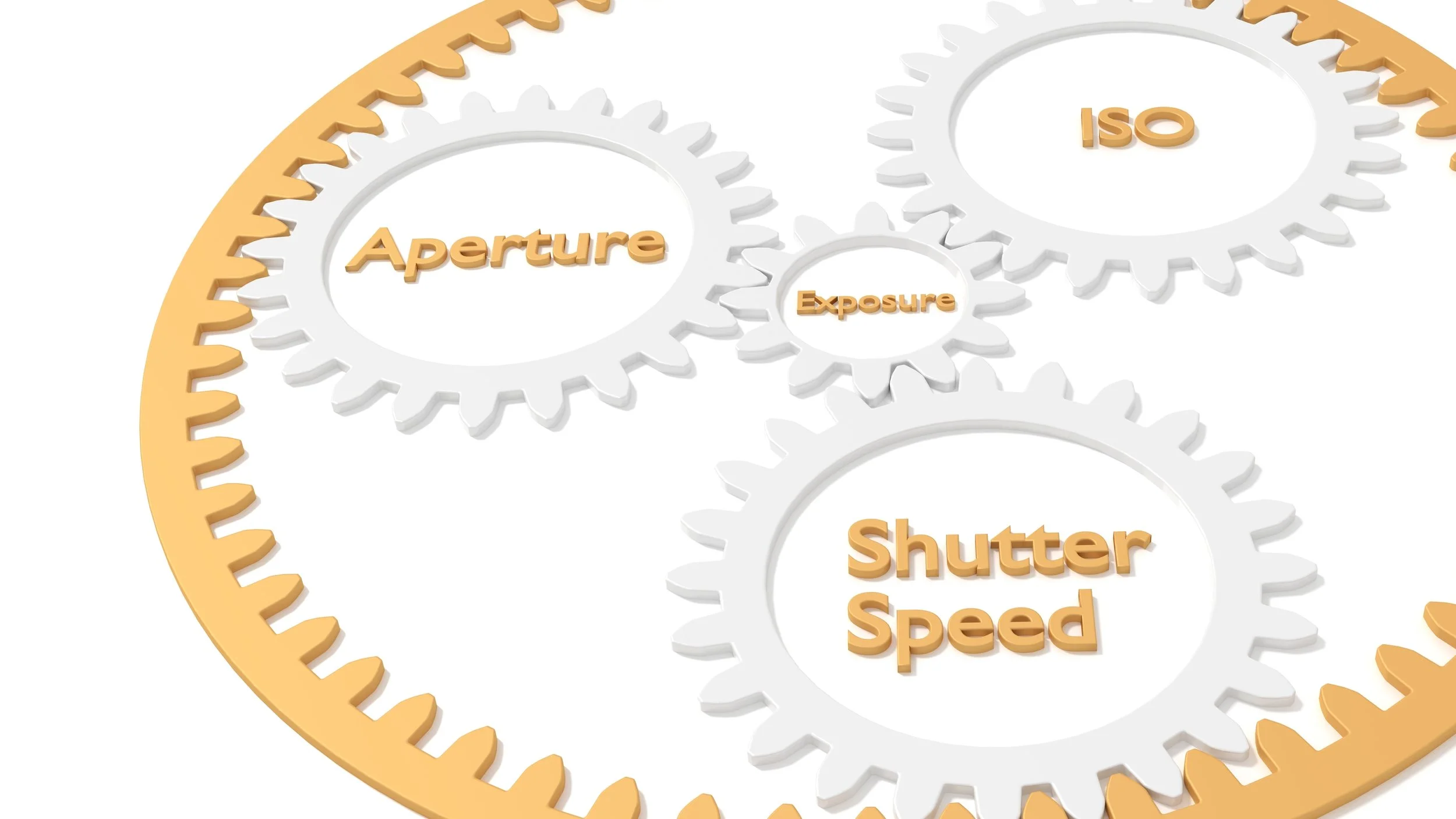
Great Manual Mode Photography happens when you learn how to make Aperture, ISO, Exposure and Shutter Speed Dance in Harmony with the Correct Color Temperature. It’s a true Art Form.
We are entering a remarkable new era, but it may very well be the photographers who refuse to surrender the fundamentals who preserve the soul of the medium. The ones who photograph from the heart. The ones who chase honest light. The ones who believe that authenticity still matters.
Because in the end—like any good Southern tale told on a warm evening—what lasts isn’t the trick… it’s the truth behind it.
So grab your camera. Set it to manual. Chase the light.
And let’s see what kind of magic you can create the old-fashioned way.

April 4, 2026
